
 CLICK TO CALL
Dental Health Blog | St. Jacobs Dental Care
What to Do If a Dental Crown Comes Loose or Falls Off
June 20, 2026 / Dentistry
What Should You Do if Your Dental Crown Falls Off?
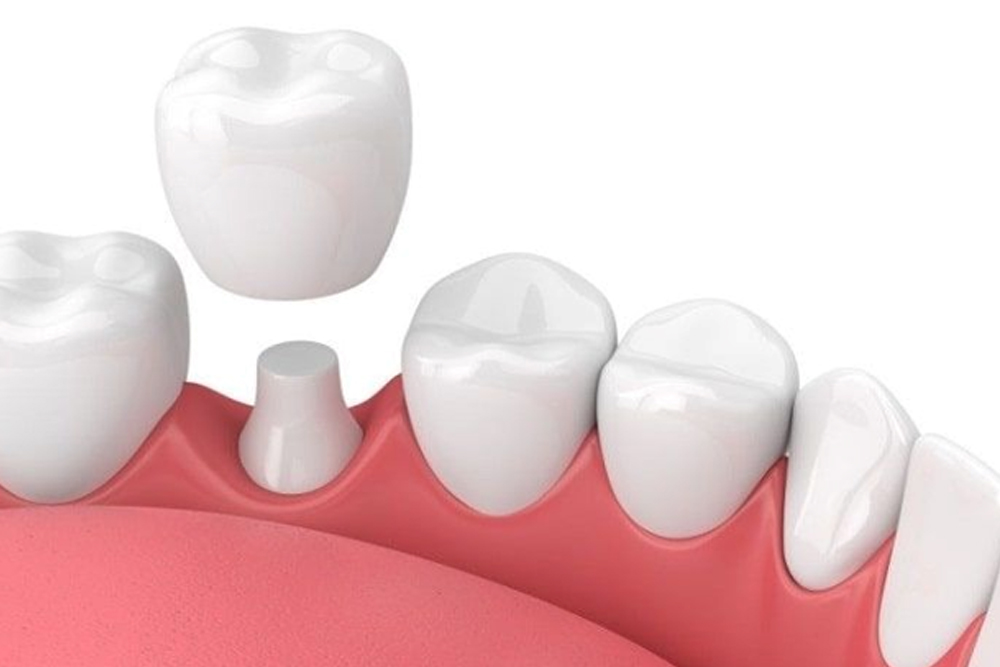
A dental crown falling off can be surprising, but staying calm is the best first step. If your crown comes loose or falls off, keep it in a safe place, avoid trying to glue it back on yourself, and contact a dentist for guidance. The next step depends on the condition of the crown, the tooth underneath, and your individual situation.
Dental crowns are designed to restore and protect damaged teeth, but like any dental restoration, they can occasionally become loose or come off. In some cases, the crown may still be in good condition, while in others, it or the underlying tooth may need additional attention. A dentist can assess the area and determine whether the crown may be re-cemented, repaired, replaced, or whether another treatment is more appropriate.
Why a Dental Crown May Come Loose
A crown is securely attached to a prepared tooth, but several factors can affect how well it stays in place over time.
Some common reasons a crown may become loose include:
- Normal wear over many years.
- Damage to the cement holding the crown in place.
- Tooth decay developing around or beneath the crown.
- A crack or fracture in the crown or the tooth underneath.
- Biting down on something particularly hard or sticky.
- Teeth grinding or clenching that places repeated pressure on the restoration.
Sometimes a crown becomes loose gradually. You might notice it shifting slightly while chewing or feeling different when you bite down. Other times, it may come off suddenly while eating or flossing.
A loose crown doesn't always mean the crown itself has failed. In many situations, the underlying cause needs to be identified before deciding on the most appropriate treatment.
What to Do Right Away If Your Crown Falls Off
If your crown falls off, try not to panic. Taking a few simple steps can help protect both the crown and the exposed tooth until you're able to see a dentist.
Keep the crown
If possible, carefully pick up the crown and place it in a clean container or small plastic bag. Bringing it to your appointment allows your dentist to examine whether it may still be suitable for use.
Contact your dentist
Even if you're not experiencing pain, it's a good idea to call your dental office. A loose or missing crown leaves the underlying tooth more exposed, and your dentist can advise you on the appropriate next steps based on your symptoms.
Keep the area clean
Continue brushing gently around the affected tooth and maintain your regular oral hygiene routine. If the exposed tooth feels sensitive, brushing carefully with a soft toothbrush may help keep the area clean without causing unnecessary discomfort.
Be mindful when eating
Until you've been evaluated, try chewing on the opposite side of your mouth whenever possible. Softer foods may be more comfortable if the exposed tooth is sensitive to pressure or temperature.
Avoid biting directly on the affected tooth, especially if it feels fragile or uncomfortable.
What to Avoid Until You See a Dentist
Knowing what not to do is just as important as knowing the first steps to take.
Don't use household glue
One of the biggest mistakes people make is trying to reattach a crown with household glue or other adhesives.
These products are not designed for use inside the mouth and may damage the crown or make professional treatment more difficult. They can also expose your mouth to chemicals that aren't intended for dental use.
Don't force the crown back into place
Even if the crown appears to fit, avoid trying to push it back onto the tooth yourself. If it isn't positioned correctly, it may not fit properly and could damage the tooth or the restoration.
Instead, keep the crown safe and allow your dentist to examine both the crown and the tooth before deciding whether it can be reattached.
Don't ignore the problem
A loose crown may not always cause pain, but that doesn't mean it should be ignored. The exposed tooth can become more vulnerable to damage or sensitivity, and delaying an assessment could make treatment more complicated depending on the cause.
If the crown feels loose but hasn't completely come off, avoid wiggling it repeatedly with your tongue or fingers. Additional movement may increase the chance that it becomes dislodged completely.
When a Loose or Lost Crown Needs Prompt Attention
A dental crown that feels loose or has fallen off should be assessed as soon as reasonably possible, even if it isn't causing pain. The sooner a dentist can examine the tooth, the better they can determine the most appropriate next step.
While not every loose crown is an emergency, certain situations deserve more urgent attention.
Contact your dentist promptly if you experience:
- Significant tooth pain.
- Swelling around the affected tooth or gums.
- Bleeding that doesn't stop.
- Difficulty biting because the crown has shifted.
- A cracked or broken tooth underneath the crown.
- A crown that has been swallowed or cannot be found.
- Sharp edges that are irritating your tongue or cheek.
Even if your symptoms are mild, it's still a good idea to avoid delaying an appointment. An exposed tooth may be more sensitive to hot, cold, or pressure, and the underlying tooth may be more vulnerable until it has been evaluated.
If you're unsure how urgent your situation is, your dental office can provide guidance based on your symptoms and help you understand the next appropriate step.
How a Dentist May Address a Loose or Lost Crown
Once you arrive for your appointment, your dentist will first examine both the crown and the tooth underneath it. The goal is to identify why the crown became loose before deciding on treatment.
Depending on what they find, your dentist may determine that the crown and tooth could be managed with:
- Re-cementing the existing crown if it's still in good condition.
- Repairing the crown if appropriate.
- Recommending a replacement crown if the existing one is no longer suitable.
- Treating any underlying tooth damage or decay before replacing the restoration.
- Discussing another restorative option if needed.
Every situation is different. Sometimes the crown itself is in excellent condition and can simply be reattached, while other cases require additional treatment because the tooth underneath has changed since the crown was originally placed.
If replacement is necessary, your dentist will explain the available options and answer any questions you have before recommending the most appropriate approach for your individual needs.
If you'd like to learn more about restorations used to repair damaged or missing teeth, dental crowns and bridges are one option your dentist may discuss depending on your situation.
In some cases, your dentist may also recommend additional restorative dental care if there are concerns affecting the tooth beneath the crown or surrounding teeth.
Frequently Asked Questions About a Loose or Lost Dental Crown
Can I put a dental crown back on myself?
No. It's best not to try reattaching a crown at home. Household glue and other adhesives are not designed for use in the mouth and may damage the crown or make professional treatment more difficult. Keep the crown in a safe place and bring it with you so your dentist can evaluate it.
Can I eat if my crown has fallen off?
If possible, choose softer foods and avoid chewing on the affected side of your mouth until you've been examined. Extremely hard, crunchy, or sticky foods could place additional stress on the exposed tooth or increase discomfort.
Is a loose crown always an emergency?
Not necessarily. Some loose crowns cause very little discomfort, while others may involve pain or damage to the underlying tooth. Even if you aren't experiencing significant symptoms, it's still important to arrange a dental assessment promptly so your dentist can determine the cause and recommend appropriate care.
Talk to St. Jacobs Dental Care About a Loose or Lost Crown
A loose or missing crown can be stressful, but prompt professional care can help protect your tooth and determine the most appropriate treatment. Avoid trying to fix the crown yourself, keep it in a safe place if it has fallen off, and arrange an assessment as soon as you can.
At St. Jacobs Dental Care, the team can examine your tooth, assess the condition of the crown, and explain whether re-cementation, repair, replacement, or another approach may be appropriate based on your individual needs.
If your dental crown fell off, feels loose, or you're experiencing tooth sensitivity or discomfort, contact St. Jacobs Dental Care to arrange an assessment and receive personalized guidance. Early evaluation can help identify the cause of the problem and allow your dentist to recommend the most suitable next steps for your oral health.