
 CLICK TO CALL
Dental Information and Tips from St. Jacobs Dental Care
Dental Crowns and Bridges vs Implants: Right Choice
February 22, 2026 / DENTISTRY
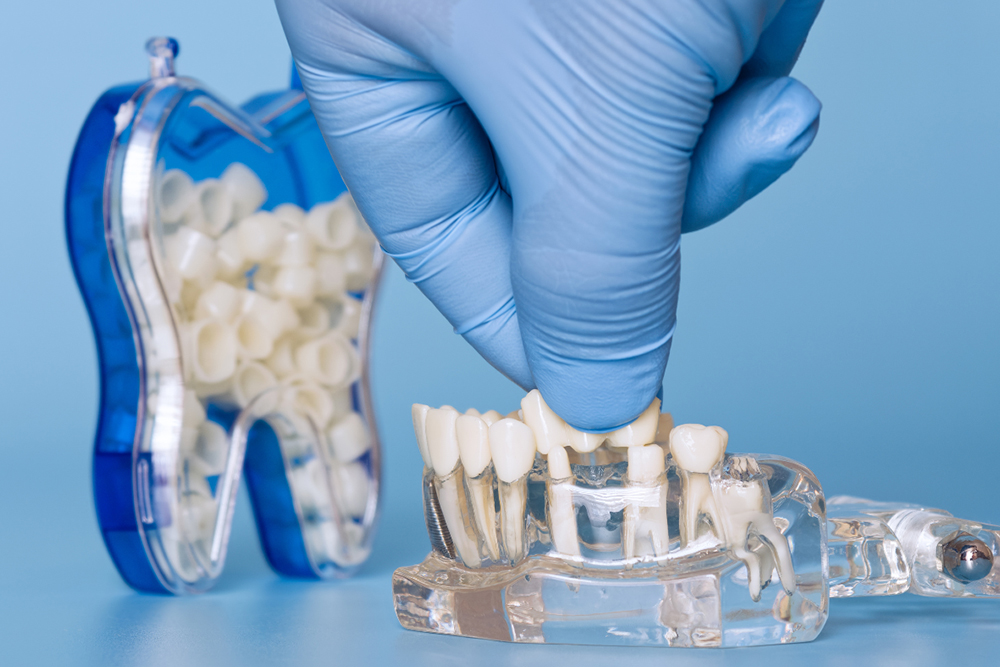
Losing a tooth or facing severe tooth damage requires important decisions about restoration options. At St. Jacobs Dental Care, patients often ask about the differences between dental crowns & bridges and dental implants. Both treatments effectively restore function and appearance, but they work in fundamentally different ways. Understanding the clinical factors, success rates, and long-term costs helps patients make informed choices about their dental health. The right solution depends on your unique situation, oral health status, and personal preferences.
Clinical Factors That Determine the Best Treatment
Several important factors influence whether dental crowns & bridges or implants are the better choice for your situation.
Bone Health and Density
Dental implants require adequate jawbone to support the titanium post. If you've been missing teeth for an extended period, bone loss may have occurred. This can make implant placement challenging or require bone grafting first.
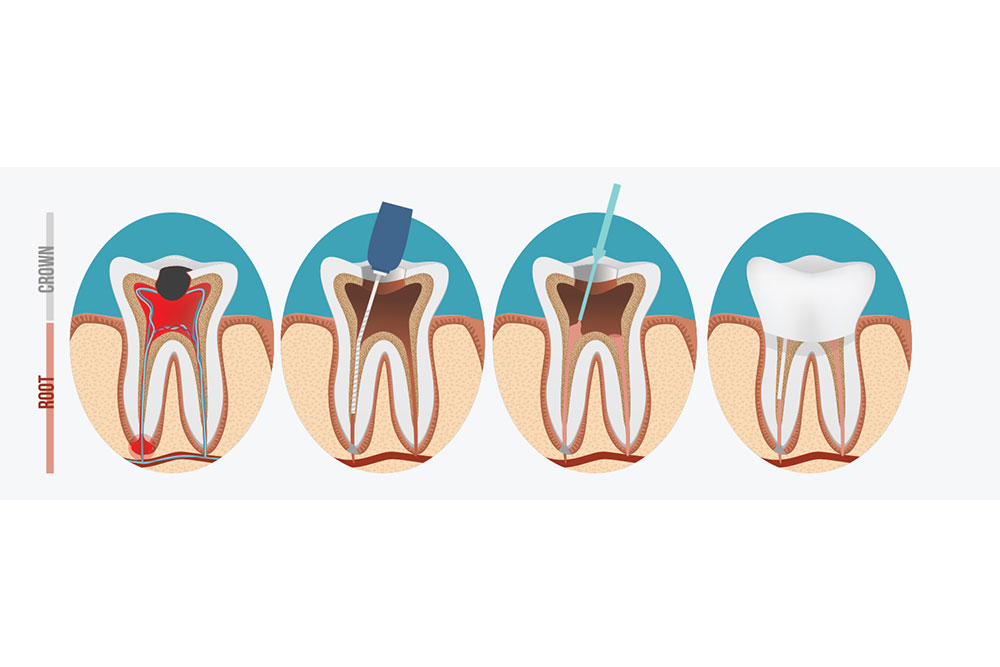
Dental crowns & bridges don't require specific bone density levels. Crowns restore damaged teeth using the existing tooth root. Bridges rely on adjacent teeth for support rather than the jawbone.
Adjacent Tooth Condition
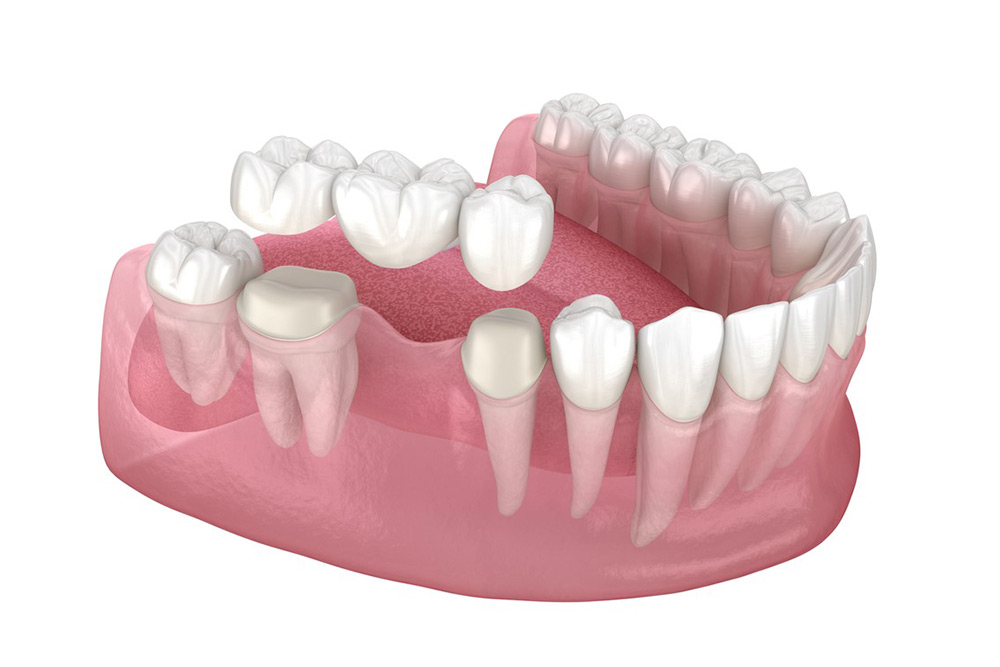
The health of neighboring teeth plays a crucial role in treatment selection. Bridges require preparing the teeth on either side of the gap. These teeth are shaped to support crowns that hold the bridge in place.
If adjacent teeth are healthy and unrestored, some patients prefer implants to avoid altering these teeth. However, if neighboring teeth already have large fillings or need crowns anyway, a bridge can address multiple issues simultaneously.
Number of Missing Teeth
The number and location of missing teeth affects treatment planning. A single missing tooth can be replaced with either an implant or a bridge. Multiple missing teeth in a row might be better suited to a bridge or implant-supported bridge.
Medical Considerations
Certain health conditions affect treatment options. Uncontrolled diabetes, active gum disease, or immune system disorders can complicate implant healing. Heavy smoking also reduces implant success rates.
Dental crowns & bridges typically have fewer medical contraindications. They represent a viable option for patients who aren't good implant candidates due to health factors.
Timeline Requirements
Implants require several months from start to finish. The titanium post must integrate with bone before receiving the final crown. This process, called osseointegration, typically takes three to six months.
Dental crowns & bridges can be completed much faster. Most cases require just two to three appointments over several weeks. For patients needing quick restoration, this timeline advantage is significant.
Success Rates and Maintenance for Dental Crowns and Bridges
Understanding long-term outcomes helps patients set realistic expectations for their chosen treatment.
Success Rates for Dental Crowns and Bridges
Dental crowns have excellent success rates when properly maintained. Studies show that crowns typically last 10 to 15 years or longer. Some crowns remain functional for 20 to 30 years with excellent care.
Bridges also demonstrate strong success rates. Traditional bridges typically last 10 to 15 years. The longevity depends on the health of supporting teeth and the patient's oral hygiene habits.
At St. Jacobs Dental Care, located at 10 Parkside Dr in St. Jacobs, the team uses high-quality materials and precise techniques. This attention to detail maximizes the lifespan of dental crowns & bridges.
Maintenance Requirements
Dental crowns and bridges require diligent oral hygiene to ensure longevity. Daily brushing and flossing remain essential. Special floss threaders or water flossers help clean under bridges where regular floss cannot reach.
Regular dental check-ups every six months allow for monitoring of restorations. The dentist checks for signs of wear, decay around margins, or issues with supporting teeth.
Patients should avoid habits that stress restorations, including:
- Chewing ice or hard candies
- Using teeth as tools to open packages
- Grinding or clenching teeth (a night guard may be recommended)
- Biting directly into very hard foods
Potential Complications
While dental crowns & bridges are highly successful, potential issues can occur. Decay can develop at the margin where the crown meets natural tooth. This is why excellent oral hygiene is crucial.
The supporting teeth for bridges bear additional chewing forces. Over time, this can lead to increased wear or stress. Regular monitoring helps identify problems early.
Success Rates and Maintenance for Dental Implants
Dental implants have become increasingly popular due to their high success rates and natural feel.
Implant Success Statistics
Modern dental implants boast success rates exceeding 95 percent. With proper care, many implants last a lifetime. The titanium post integrates permanently with jawbone, creating a stable foundation.
Implant Maintenance Needs
Implants require similar daily care to natural teeth. Brushing twice daily and flossing remain essential. Special attention to the gum tissue around implants helps prevent peri-implantitis (inflammation around implants).
Regular professional cleanings and examinations ensure implant health. The dentist monitors bone levels and checks for any signs of complications.
Implant Considerations
While implants don't decay like natural teeth, the surrounding gum and bone tissue require healthy maintenance. Poor oral hygiene can lead to implant failure. Smoking significantly increases the risk of implant complications.
Cost Analysis: Dental Crowns & Bridges vs Implants
Financial considerations play an important role in treatment decisions. Understanding both initial and long-term costs provides a complete picture.
Initial Investment Comparison
Dental crowns & bridges typically require lower upfront investment compared to implants. A single crown or three-unit bridge costs less than an implant with crown. The procedures are also less complex and don't involve surgical components.
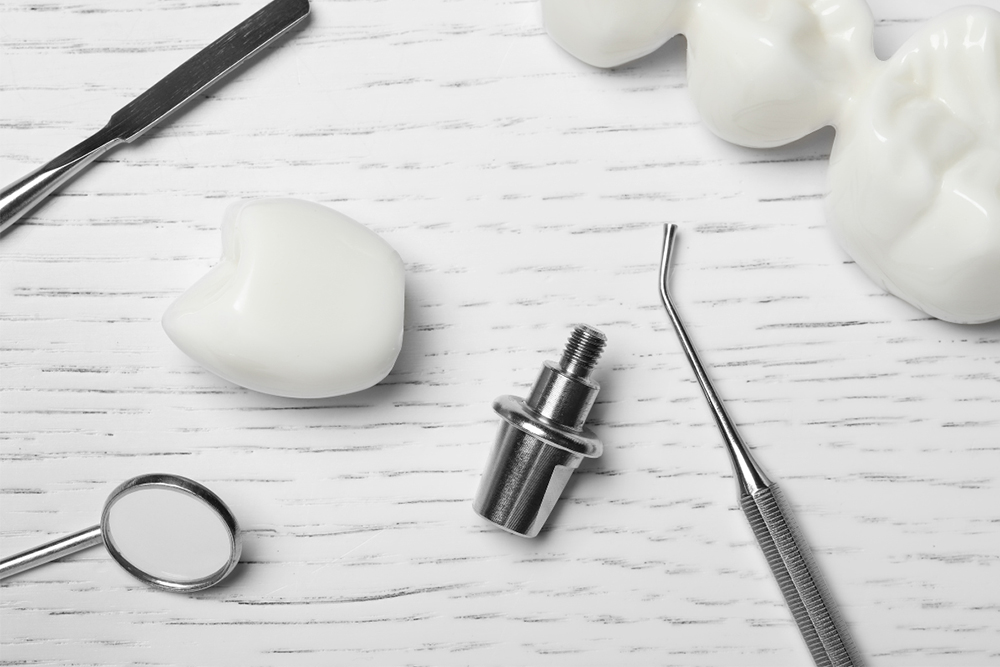
Dental implants require higher initial investment. The cost includes the surgical placement, the implant post, the abutment (connector piece), and the final crown. If bone grafting is needed, this adds to the expense.
Insurance Coverage Differences
Many dental insurance plans provide better coverage for dental crowns & bridges compared to implants. Traditional restorations are often considered standard care with higher reimbursement percentages.
Implant coverage varies widely by insurance plan. Some plans offer partial coverage, while others consider implants cosmetic and provide no benefits.
Lifetime Cost Considerations
While implants cost more initially, they may offer better long-term value. Implants can last a lifetime, potentially eliminating replacement costs. They also don't affect adjacent teeth, avoiding future complications with neighboring teeth.
Dental crowns & bridges typically need replacement every 10 to 15 years. This means additional costs over a lifetime. Bridges also place stress on supporting teeth, which may eventually need their own treatment.
Value Beyond Cost
Cost represents just one factor in treatment decisions. The value of restored function, improved confidence, and quality of life should also be considered. Both dental crowns & bridges and implants successfully restore these important aspects.
Making Your Decision at St. Jacobs Dental Care
Choosing between dental crowns & bridges and implants requires careful consideration of multiple factors. The team at St. Jacobs Dental Care provides comprehensive consultations to help patients understand their options.
During your consultation, the dentist will:
- Evaluate your oral health and bone density
- Discuss your medical history and any relevant conditions
- Review your timeline and scheduling preferences
- Explain treatment options specific to your situation
- Provide detailed cost estimates and insurance information
- Answer all your questions about procedures and outcomes
Ready to explore your options for dental crowns & bridges or implants? Contact St. Jacobs Dental Care at 519-664-2434 or email info@stjacobsdentalcare.ca to schedule your consultation. The office is conveniently located at 10 Parkside Dr in St. Jacobs, with appointments available Monday through Thursday from 8:00 AM to 5:00 PM and Friday mornings from 8:00 AM to 12:00 PM.
Whether you choose dental crowns & bridges or implants, professional restoration can transform your smile and restore full function for years to come.
Archive