
 CLICK TO CALL
Dental Information and Tips from St. Jacobs Dental Care
Restorative Dentistry in St. Jacobs: Preserving Teeth
December 6, 2025 / DENTISTRY
Modern restorative dentistry in St. Jacobs
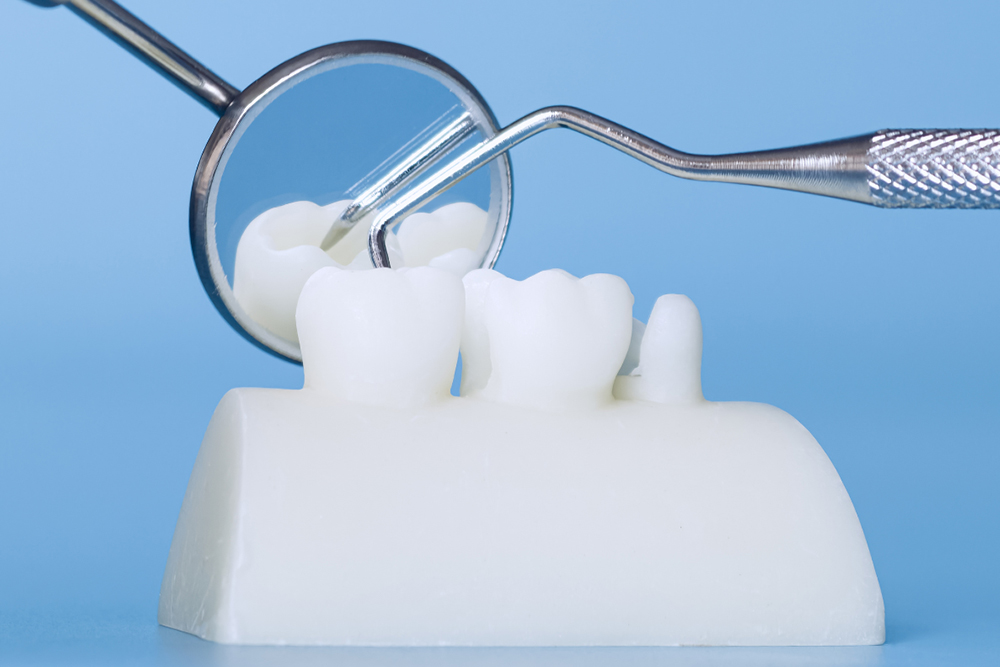
Modern restorative dentistry in St. Jacobs has evolved dramatically over the past decade, with a strong focus on preserving natural tooth structure. At St. Jacobs Dental Care, the team embraces minimally invasive techniques that prioritize conservation over aggressive treatment. Understanding how restorative dentistry in St. Jacobs can save more of your natural tooth while still providing durable, beautiful results is essential for making informed decisions about your dental care. This conservative approach not only protects your teeth today but also sets the foundation for better long-term oral health.
Conservative Preparation Techniques in Restorative Dentistry
Preserving Healthy Tooth Structure
The primary goal of minimally invasive restorative dentistry is to remove only diseased or damaged tooth structure. Healthy tooth material is carefully preserved whenever possible.
- Stronger teeth with more natural structure remaining
- Reduced sensitivity after treatment
- Less need for anesthesia in many cases
- Better long-term prognosis for treated teeth
- Lower risk of needing root canal treatment later
- Preservation of tooth vitality and natural function
Modern Preparation Methods
At St. Jacobs Dental Care, located at 10 Parkside Dr in St. Jacobs, the dental team uses advanced techniques to minimize tooth removal. Air abrasion technology can remove decay without the heat and vibration of traditional drills. Laser dentistry allows for extremely precise removal of damaged tissue. These methods are gentler on teeth and often more comfortable for patients. They also allow dentists to be more selective about what tissue is removed, preserving maximum healthy structure.
Micro-Dentistry Approach
Micro-dentistry involves using magnification and specialized instruments to work at a microscopic level. This allows for incredibly precise treatment that removes only what's necessary. The result is smaller restorations that preserve more natural tooth structure.
Bonding Technologies in Restorative Dentistry in St. Jacobs
How Modern Bonding Works
Today's dental bonding materials create a chemical bond with tooth structure. This is fundamentally different from older materials that simply filled a space. The chemical bond means restorations can be smaller while still being incredibly strong.
- Smaller cavity preparations required
- Restorations that strengthen remaining tooth structure
- Better seal against bacteria and decay
- More natural appearance that blends with teeth
- Longer-lasting results with proper care
- Ability to repair rather than replace old fillings
Composite Resin Restorations
Composite fillings are the cornerstone of minimally invasive restorative dentistry. These tooth-colored materials bond directly to enamel and dentin. This bonding allows for much more conservative preparations compared to traditional amalgam fillings. Composite restorations can be precisely shaped and colored to match natural teeth. They require less tooth removal and actually reinforce the remaining tooth structure through their bonding properties.
Adhesive Dentistry Applications
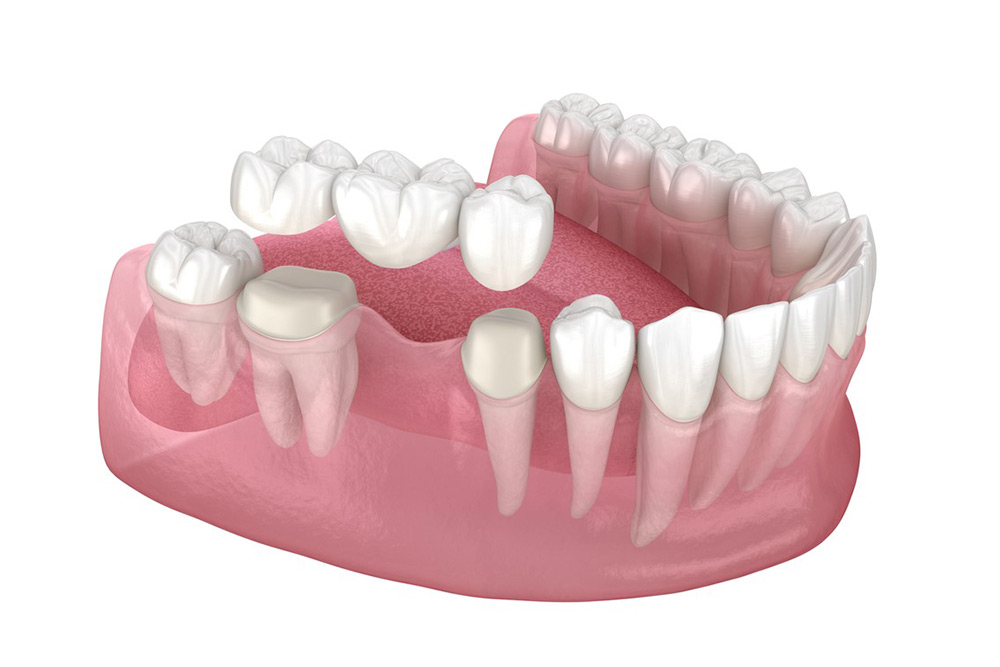
Modern adhesive techniques extend beyond simple fillings. They're used for veneers, inlays, onlays, and even some crown preparations. In many cases, restorative dentistry in St. Jacobs can now repair teeth that would have required extraction in the past.
Preventive Approaches in Restorative Dentistry in St. Jacobs
Early Detection and Intervention
Catching dental problems early allows for the most conservative treatment possible. Regular examinations at St. Jacobs Dental Care include:
- Digital X-rays that detect decay between teeth
- Visual examination with magnification
- Laser cavity detection technology
- Assessment of bite and wear patterns
- Evaluation of existing restorations
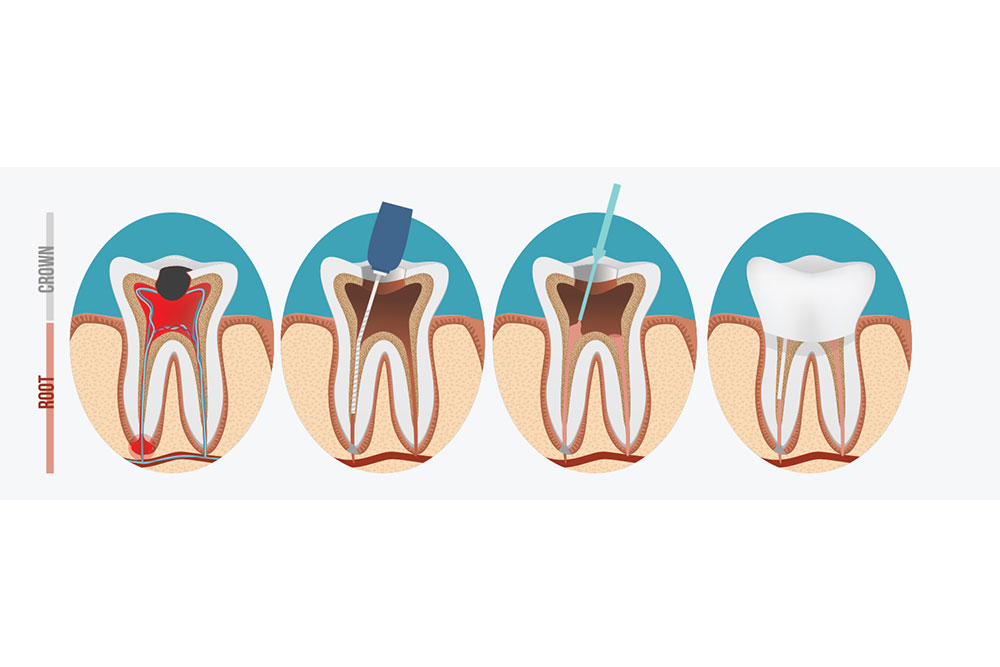
Early detection means smaller cavities that require less invasive treatment. A tiny cavity caught early might need only a small filling, while the same cavity left untreated could eventually require a crown or root canal.
Remineralization Strategies
Not all early decay requires drilling and filling. Very early cavities can sometimes be reversed through remineralization. This process involves:
- Fluoride treatments to strengthen enamel
- Prescription toothpastes with high fluoride content
- Dietary modifications to reduce acid exposure
- Improved oral hygiene techniques
- Regular monitoring to ensure decay doesn't progress
Protective Sealants
Dental sealants provide a protective barrier over vulnerable tooth surfaces. They're particularly effective on back teeth with deep grooves. Sealants prevent decay from starting, eliminating the need for future restorative work. While commonly associated with children, adults can also benefit from sealants. They're an excellent preventive measure for anyone at higher risk of decay.
Long-Term Benefits of Minimally Invasive Restorative Dentistry
Tooth Longevity
Teeth with more natural structure remaining are stronger and last longer. Each time a tooth is restored, some structure is removed. Minimally invasive techniques preserve more tooth, reducing the likelihood of needing more extensive work later.
Reduced Treatment Cascade
Traditional dentistry often led to a "treatment cascade" where fillings eventually needed crowns, which eventually needed root canals. Minimally invasive restorative dentistry interrupts this cascade by preserving tooth vitality and strength from the start.
Cost-Effectiveness
While individual minimally invasive treatments may cost similarly to traditional approaches, the long-term savings are significant. Preserving natural tooth structure reduces the need for more extensive, expensive treatments in the future.
Technology Supporting Restorative Dentistry in St. Jacobs
Digital Imaging and Planning
Digital X-rays and intraoral cameras allow for precise diagnosis and treatment planning. These tools help identify the smallest areas of concern and plan the most conservative treatment approach.
CAD/CAM Technology
Computer-aided design and manufacturing allows for precise, custom restorations that require minimal tooth preparation. These restorations fit better and last longer than traditional alternatives.
Experience Minimally Invasive Care
At St. Jacobs Dental Care, the commitment to preserving natural tooth structure guides every treatment decision. The team believes that less is often more when it comes to dental treatment. Ready to experience the benefits of minimally invasive restorative dentistry in St. Jacobs? Contact St. Jacobs Dental Care at 519-664-2434 or email info@stjacobsdentalcare.ca to schedule your consultation. The office is conveniently located at 10 Parkside Dr in St. Jacobs, with appointments available Monday through Thursday from 8:00 AM to 5:00 PM and Friday mornings from 8:00 AM to 12:00 PM. Discover how modern restorative dentistry in St. Jacobs can repair your teeth while preserving maximum natural structure for better long-term oral health.
Archive